class: right, top, title-slide .title[ # EFB 390: Urban Wildlife Ecology ] .author[ ### <strong>Dr. Elie Gurarie</strong> ] .date[ ### Dec 2, 2025 ] --- class: inverse .pull-left-30[ # It's a (Concrete) Jungle Out There! Big thanks to **David Drake** Professor, Extension Biologist Dept. of Forest and Wildlife Ecology Univ. of Wisconsin-Madison Leader - Urban Canid Project ] .pull-right-70[ 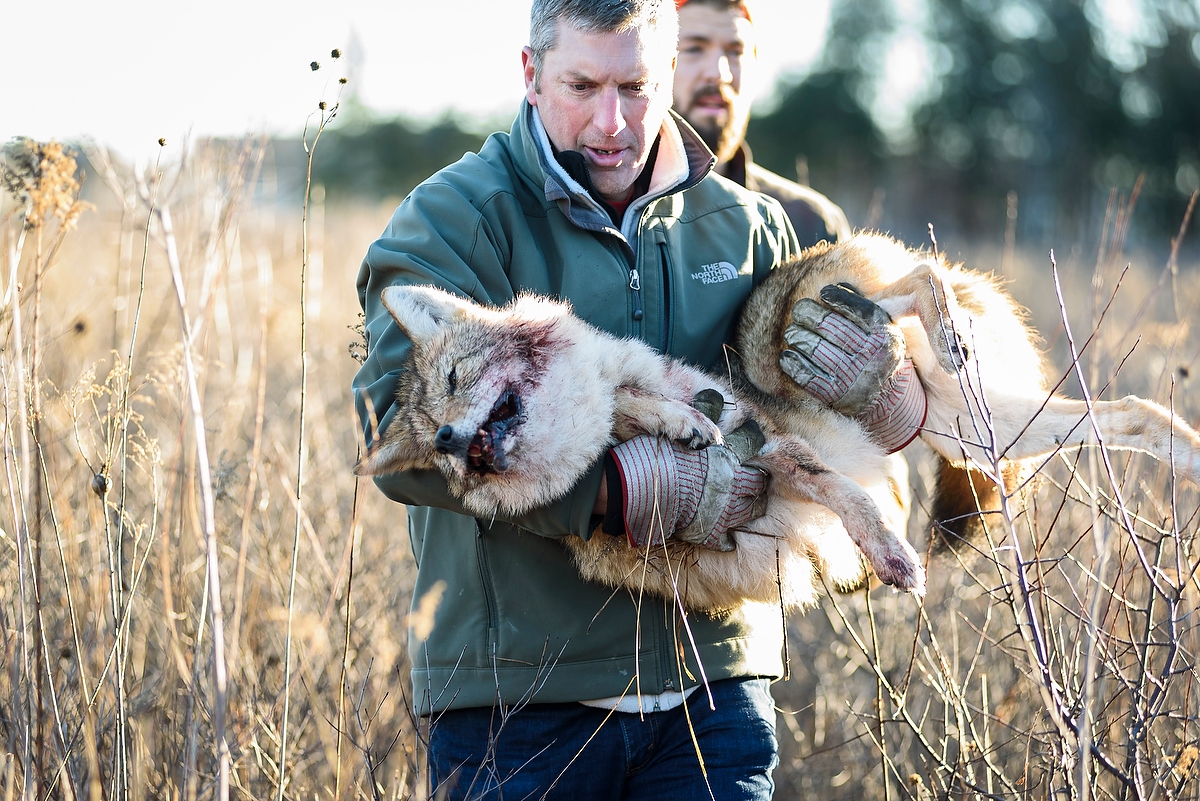 ] --- class: inverse 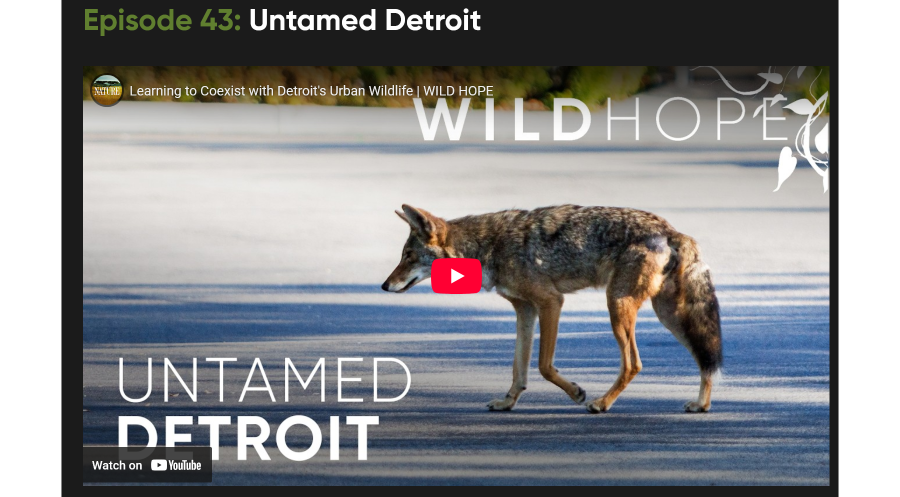 .center[https://www.wildhope.tv/episode/untamed-detroit/] --- class:inverse # Global Urbanization .pull-left-40[ - **8.1 billion people** on Earth - **~50% urban** currently - **70% urban by 2050** Urban areas are expanding rapidly worldwide ] .pull-right-60[  ] --- class:inverse .pull-left[ # U.S. Population Trends - Urban population has grown steadily since 1900 - Rural population has remained relatively stable ] .pull-right[ <br><br> <!-- --> ] --- background-image: url("images/newyork_urbanwilderness.png") class: inverse .pull-left-40[ # New York State ] --- class: inverse .pull-left-40[ # New York State .large[ - **20 million residents** - **88% urban** ] ] .pull-right-50[ 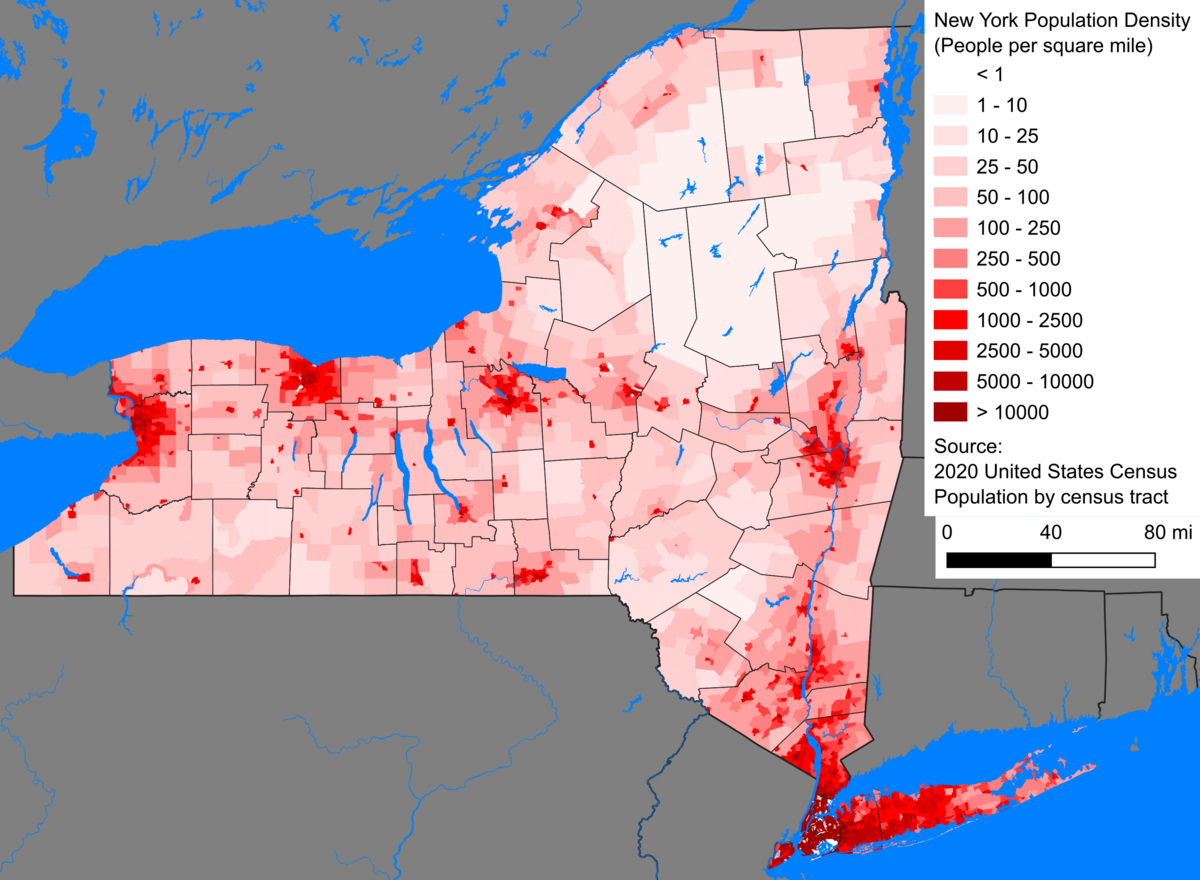 ] -- >.white[**A claim:** "It is very likely that in the eastern U.S. today, more people live in closer proximity to more wildlife than anywhere else on Earth at any time in history." .small[https://www.anthropocenemagazine.org/conservation/2013/06/urban-wildlife-comeback/] ] --- class:inverse .pull-left[ # Some trends 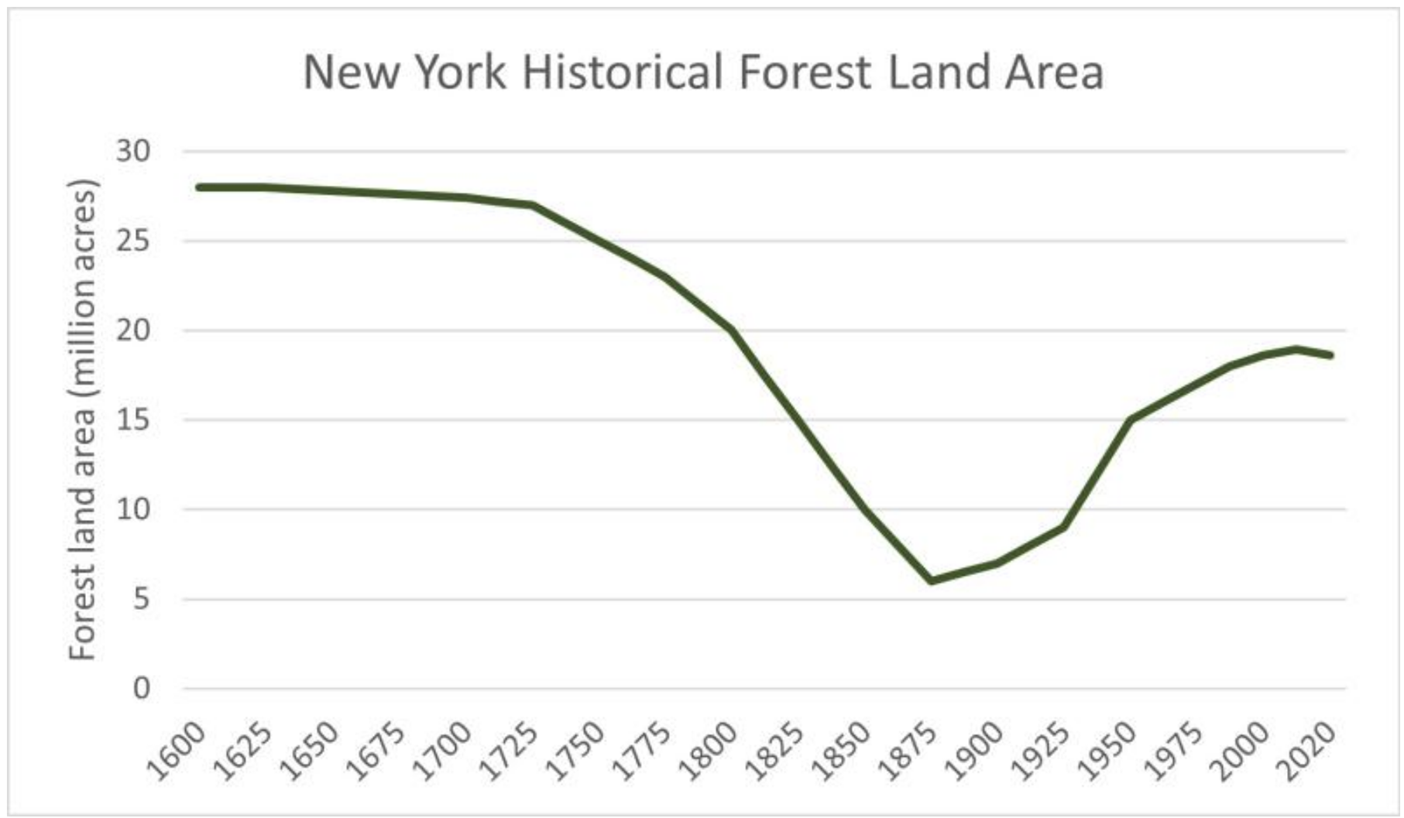 Suddenly .... - lots of (re)forest - lots of wildlife - lots of people ] .pull-right.center[  <br> .white[**Human Population**] <br>  ] --- # What is "urban"? **Different things in different places** ... but basically **human-dominated** and **FRAGMENTED**. Less wooded | more impermeable | more vehicles | structurally heterogeneous | more noisy | green space are islands 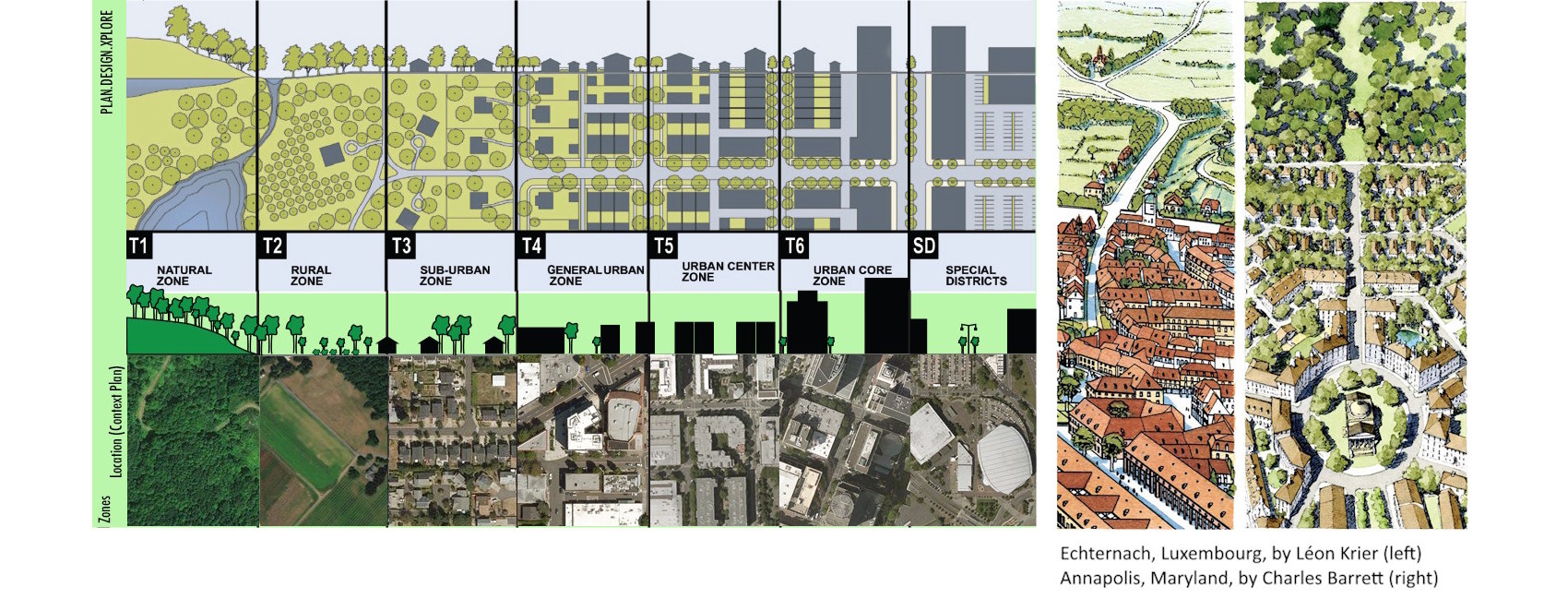 --- class: inverse # Types Of Wildlife: .pull-left[ .pull-left[ ### Human Avoider ] .pull-right[ ### Human Adapters Opportunistic ] ] .pull-right[ .pull-left[ ### Human Associated "anthropogenic subsidies" ] .pull-right[ ### Human Obligate Domestic ]] .pull-left-50[ .pull-left[ 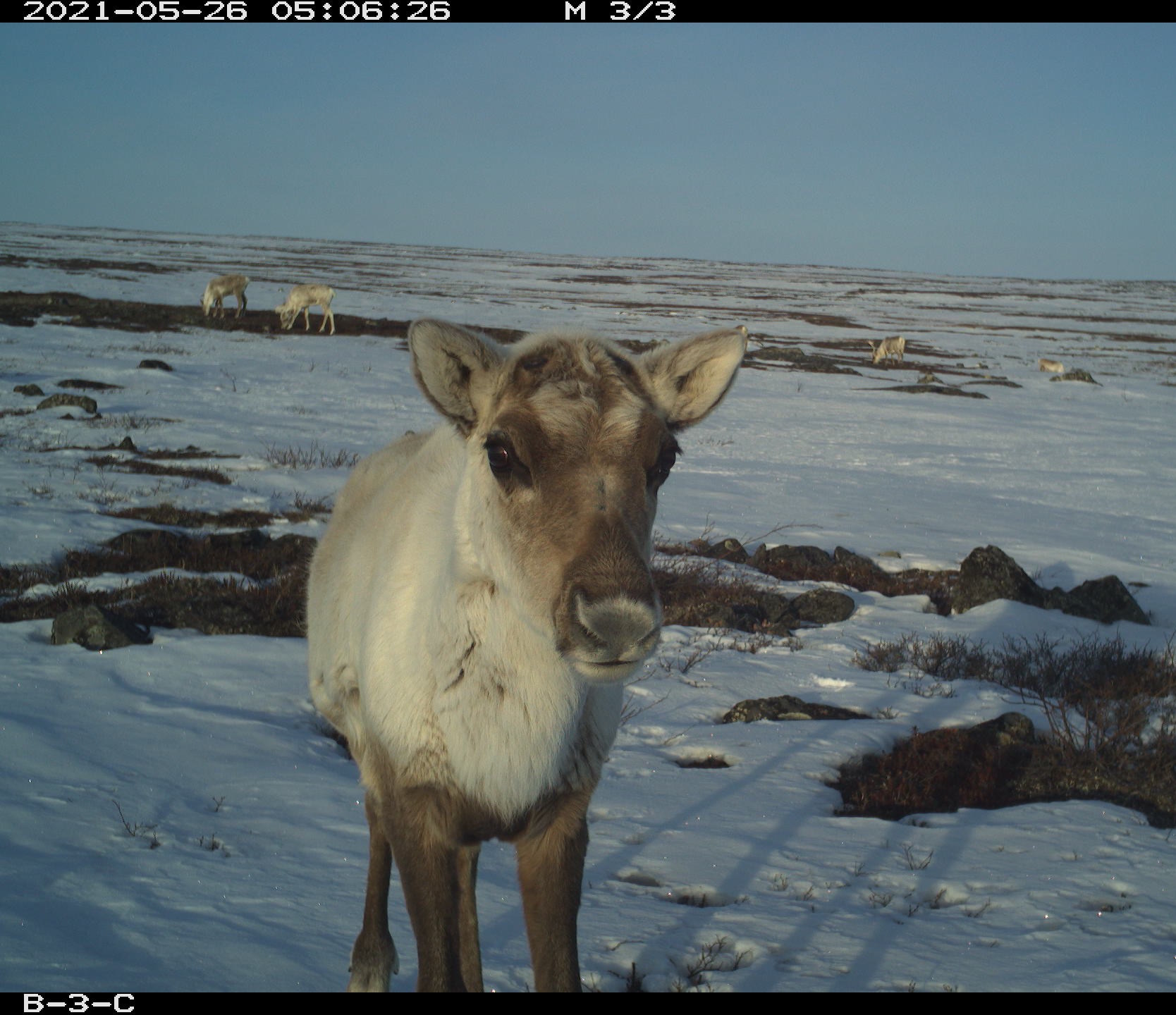 .center[(**not in Oakwood**)] ] .pull-right-50[ 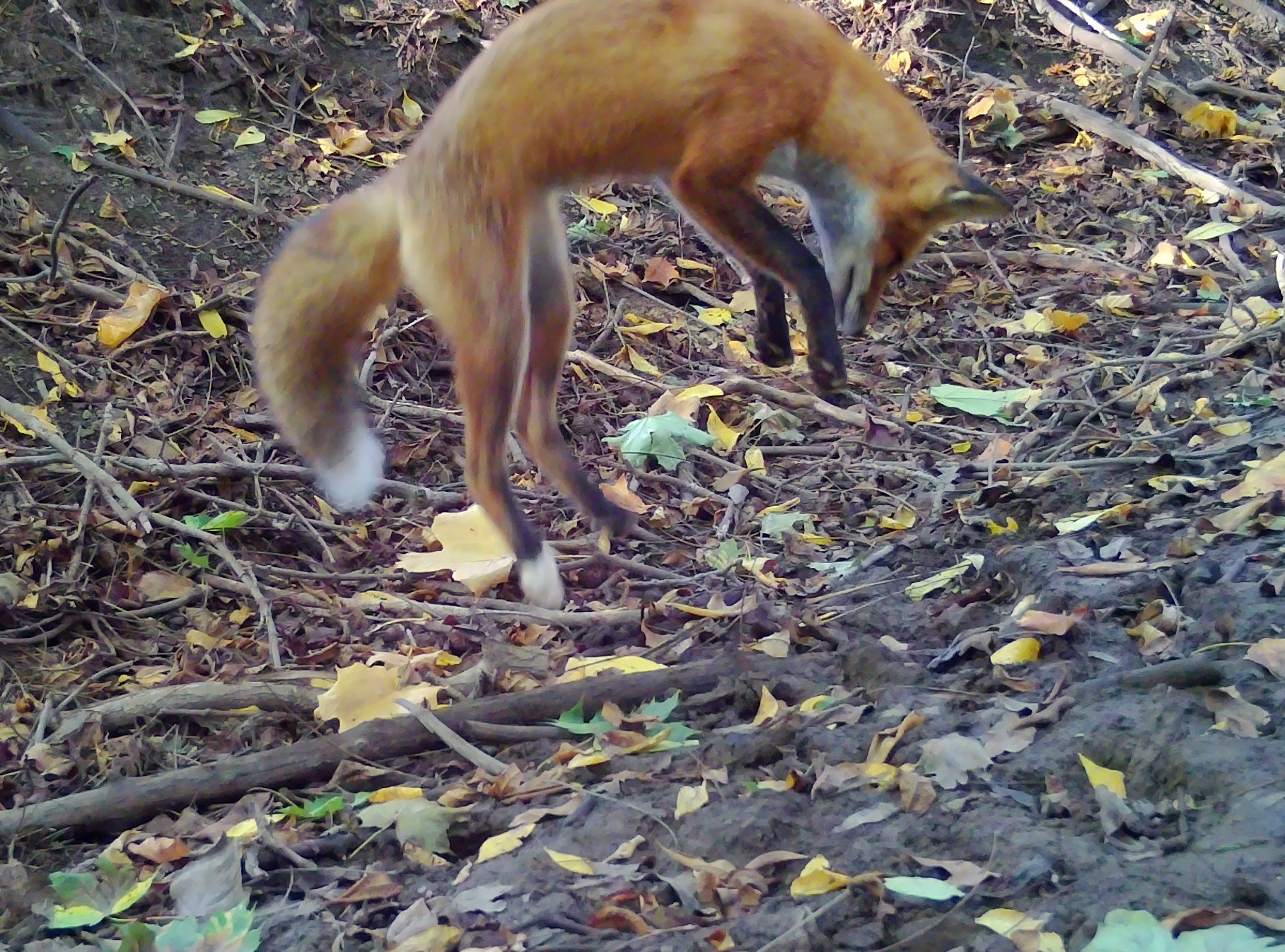 ] ] .pull-right[ .pull-left-50[ 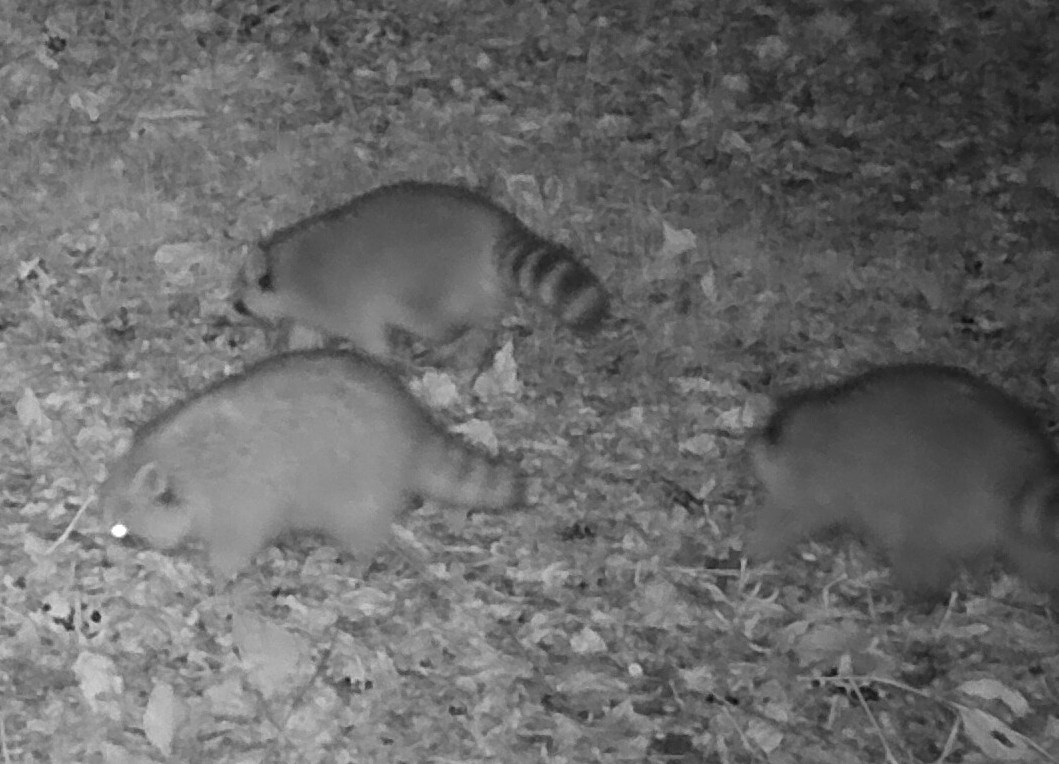 **Oakwood images!** ] .pull-right[ 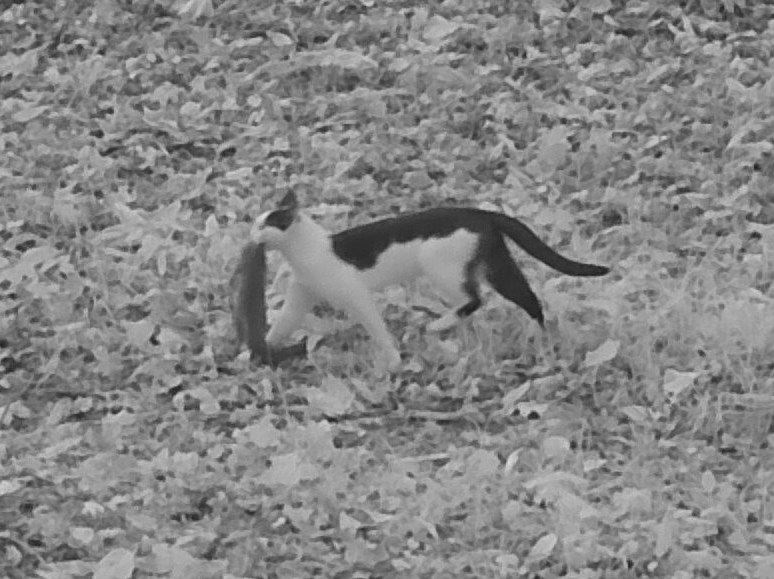 ] ] --- class: inverse # **Urban exploiters / adapted animals** .pull-left[ .Large[ - Generalist - Omnivorous - Multi-brooded - Behaviorally flexible - Don't mind fragmentation - Often - edge species ] ] .pull-right[ 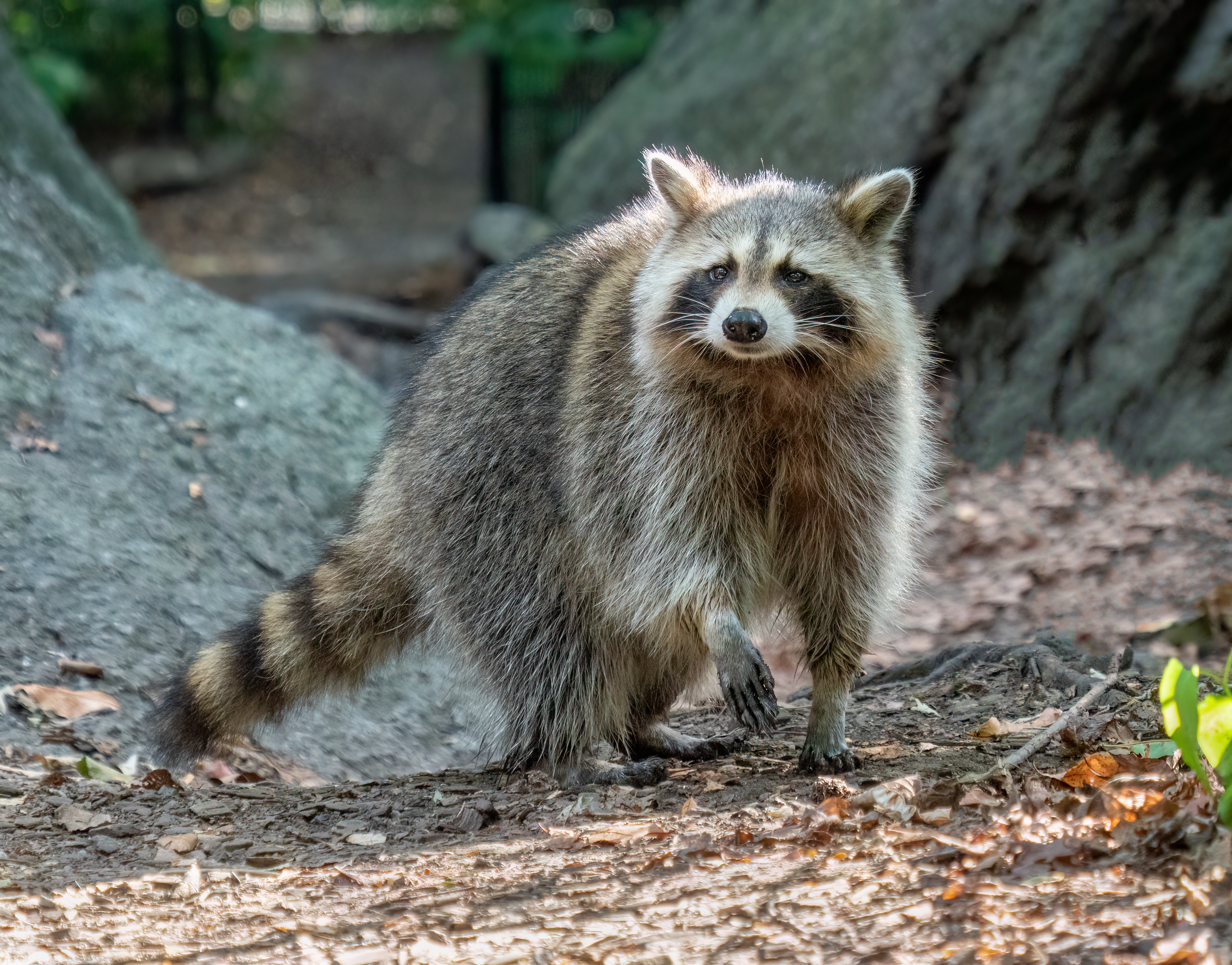 ] --- # Compare species across the gradient 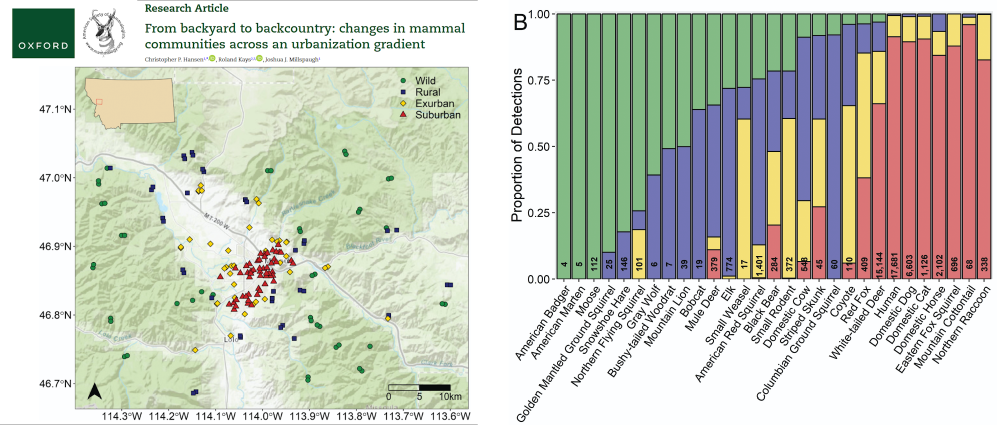 .center[Hansen et al. 2025] --- class: inverse ## Why Do (some animals) do well in urban environments? <br><br> # .center.Large[Habitat!] .center.Large[(and lack of predators / competition)] --- class: inverse .pull-left-40.Large[ # Urban Habitat: FOOD Cities provide abundant food: - Gardens - Dumpsters - Feeders - Trees ] .pull-right-60[  ] --- class: inverse # Urban Habitat: WATER .pull-left-40.Large[ - Retention ponds - Bird baths - Swimming pools ] .pull-right-60[ 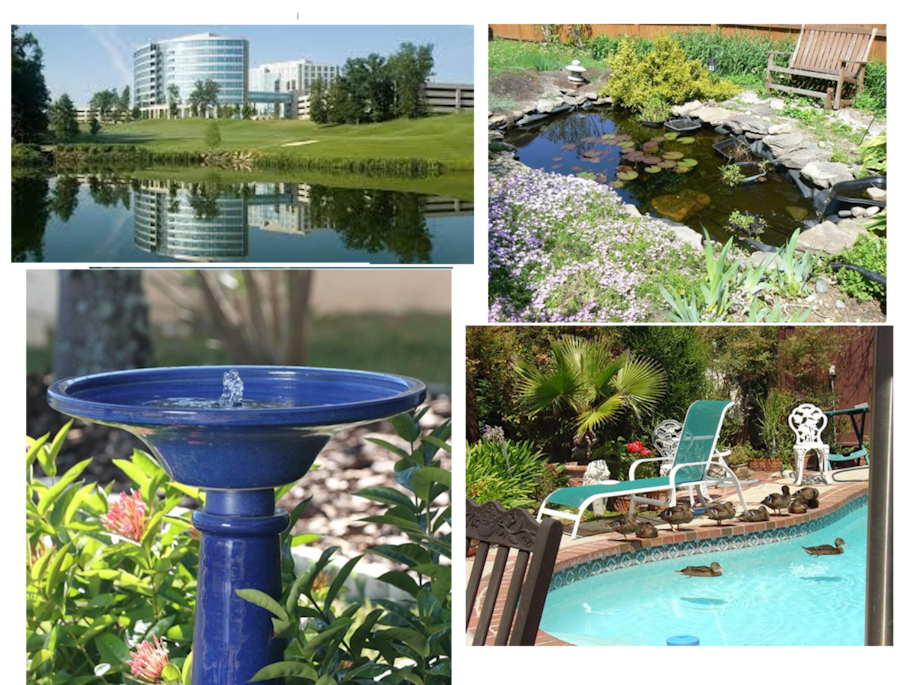 ] --- class: inverse # Urban Habitat: SHELTER .pull-left-40.Large[ Urban structures provide shelter: - Bridges - Nest boxes - Culverts - Building cavities ] .pull-right-60[  .center[Rock dove: *Colombo livia*] ] --- class: inverse .pull-left-60[ # General Features of Urban Wildlife .Large[ - ↓ home ranges - ↑ population densities and fecundity - ↑ body mass - ↓ movements - ↓ genetic diversity - ↓ community diversity ] ] .pull-right-40[  ] --- # **Larger Body Mass**  In and around Milan, Italy | no predators & forage trees in parks and gardens ([Tranquillo et al. 2024](https://link.springer.com/article/10.1007/s11252-023-01435-8?fromPaywallRec=false)) --- # **Smaller Home Ranges**  --- # **Overall smaller movements**  --- # **Less genetically diverse** .pull-left-40[] .pull-right-60[ In Obihiro City, Hokkaido, Japan [Takahata et al. (2024)](https://link.springer.com/article/10.1007/s10592-024-01631-9) ] --- # **Simpler communities**  --- class: middle # **Except, it's complicated** (and maybe mammal biased)  --- class: inverse # Human Presence Effects .Large[ Wildlife responses to constant human presence: - ↓ diurnal activity - ↓ anti-predator response and avoidance behavior - ↑ habituation to humans ] --- ### **Shifts in Daily Patterns**  Hansen et al. 2024 --- background-image: url("images/blackbearchecksmail.jpg") --- .pull-left-40[ # Conflicts / Costs of Urban Wildlife - **Economics** - Vehicle collisions, property damage - **Health** - Disease transmission (e.g., Lyme disease) - **Public works** - Infrastructure damage - **Natural resources** - Habitat degradation ] .pull-right-60[  ] --- class: middle background-image: url("./images/cleveland.jpg") background-size: cover # Benefits of Urban Wildlife .pull-right-40[ .content-box-translucent.large[ - **Aesthetic / Inspiring** - **Waste Reduction** - **Pest Reduction** - **Pollination / Seed Dispersal** - **Connectivity to larger ecosystems** - **Recreation / Appeal / Interest** - **Community Engagement** ] ] --- class: inverse # Carrying Capacity .pull-left-40[ ### **Biological carrying capacity** Maximum population the habitat can support ### **Cultural carrying capacity** Maximum population humans will tolerate ] .pull-right-60[] .pull-left.large[Typically, **cultural carrying capacity** is reached before **biological limits** ...] --- background-image: url("./images/cleveland.jpg") background-size: cover # ***What can be done (collectively)?*** <br><br> .pull-right-60[ .content-box-translucent.large[ 1. Create Wildlife Corridors and Green Spaces 2. Wildlife-friendly Landscaping & Architecture 3. Encourage Native Species in Urban Landscaping 4. Sustainable City Planning for Biodiversity 5. Public Education and Advocacy for Wildlife Protection Check out some [Urban Biodiversity Strategies](https://www.c40knowledgehub.org/s/article/How-to-enhance-restore-and-protect-biodiversity-in-your-city?language=en_US) ]] --- background-image: url("./images/cleveland.jpg") background-size: cover # Dr. Drake's ***What can you do (individually)?*** <br><br> .pull-right-50.Large[ .content-box-translucent[ - Create and maintain habitat - Keep cats indoors - Adopt a land ethic - Improve your ecological literacy ]] --- class: inverse # References - [Ditchkoff, S. S., S. T. Saalfeld, and C. J. Gibson. 2006. Animal behavior in urban ecosystems: modifications due to human-induced stress. Urban Ecosystems 9:5–12.](https://link.springer.com/article/10.1007/s11252-006-3262-3) - [Farmer, M. J., Van Deelen, T. R., Storm, D. J., Mueller, M. A., & Drake, D. (2024). Home range and core area characteristics of urban and rural coyotes and red foxes in southern Wisconsin. Wildlife Biology, e01321.](https://nsojournals.onlinelibrary.wiley.com/doi/full/10.1002/wlb3.01321) - [Hahs, A.K., Fournier, B., Aronson, M.F.J. et al. Urbanisation generates multiple trait syndromes for terrestrial animal taxa worldwide. Nat Commun 14, 4751 (2023).](https://doi.org/10.1038/s41467-023-39746-1) - [Hansen, CP, R Kays, JJ Millspaugh, (2024), From backyard to backcountry: changes in mammal communities across an urbanization gradient, Journal of Mammalogy, 105:1, pp 175–191](https://doi.org/10.1093/jmammal/gyad110) - [Tranquillo, C., Wauters, L.A., Santicchia, F. et al (2024). The advantage of living in the city: effects of urbanization on body size and mass of native and alien squirrels. Urban Ecosyst 27, 51–61](https://link.springer.com/article/10.1007/s11252-023-01435-8?fromPaywallRec=false) - [Takahata, Y., Uchida, K., Kutsukake, N. et al. (2024) Urbanisation has impacted the population genetic structure of the Eurasian red squirrel in Japan within a short period of 30 years. Conserv Genet 25, 1111–1122](https://doi.org/10.1007/s10592-024-01631-9)